NBA Player Comparison
NBA player comparison enables detailed analysis of individual player performance and value. Comparing players across multiple statistical categories, career trajectories, and performance metrics provides comprehensive understanding of relative player quality. Whether comparing contemporary players or analyzing players across different eras, player comparison is essential for basketball analysis and evaluation.
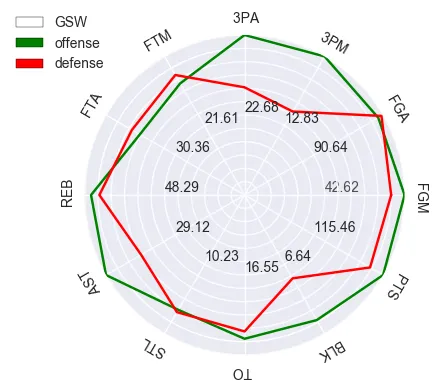
Foundations of Player Comparison
Effective player comparison requires understanding what metrics matter and how to interpret them. Different players excel in different areas, and comprehensive comparison must account for positional differences, role variations, and contextual factors.
Position-Specific Comparison
Meaningful player comparison typically occurs within position groups. Comparing guards to centers produces misleading results due to fundamental role differences. Position-specific comparison accounts for different expectations and statistical distributions.
Role Considerations
Players within the same position often fill different roles. Star players with high usage rates have different statistical profiles than role players. Understanding player roles provides context for statistical comparison.
Statistical Comparison Categories
Player comparison spans multiple statistical categories, each revealing different aspects of performance.
Scoring Comparison
| Metric | Description | Comparison Value |
|---|---|---|
| Points Per Game | Average scoring volume | Scoring productivity |
| Scoring Efficiency | Points per shooting attempt | Scoring quality |
| True Shooting % | Overall shooting efficiency | Comprehensive efficiency |
| Scoring Consistency | Game-to-game scoring variance | Reliability indicator |
Playmaking Comparison
Comparing players' playmaking abilities involves analyzing assists, assist-to-turnover ratios, and ball movement impact. Elite playmakers create scoring opportunities for teammates while minimizing turnovers. Comparing playmakers reveals who most effectively distributes the basketball.
Defensive Comparison
Defensive comparison is more challenging than offensive comparison due to limited defensive statistics. Steals, blocks, and defensive rating provide some insight, but defensive impact extends beyond these metrics. Comparing defenders requires considering opponent quality, position, and defensive role.
Efficiency Comparison
Advanced efficiency metrics like Player Efficiency Rating (PER) and Box Plus/Minus (BPM) provide comprehensive performance comparison. These metrics account for multiple statistical categories and provide single-number efficiency measures.
Career Comparison
Career comparison analyzes players' entire professional trajectories. Career statistics, peak performance, consistency, and longevity all factor into career comparison.
Peak Performance
Players' best seasons define their peak performance. Comparing peak seasons reveals who achieved the highest performance levels. Elite players often have multiple elite seasons, while other players have single peak seasons.
Career Longevity
Career length affects total statistical accumulation. Players with long careers accumulate more total statistics than players with shorter careers. Per-game averages provide better comparison than total statistics when comparing players with different career lengths.
Consistency
Comparing consistency reveals who maintains high performance levels across multiple seasons. Consistent performers are more reliable than players with significant performance variance. Consistency often correlates with championship success.
Era-Adjusted Comparison
Comparing players across different eras requires accounting for rule changes, playing style evolution, and competition level changes.
Rule Changes Impact
NBA rule changes significantly affect player statistics. Defensive three-second rule changes affected shot-blocking statistics. Three-point line distance changes affected three-point shooting percentages. Comparing players across rule changes requires understanding these impacts.
Playing Style Evolution
Professional basketball playing style has evolved significantly. Three-point shooting is more prevalent in modern basketball than in earlier eras. Pace of play has changed due to rule modifications and coaching evolution. These style changes affect statistical comparison across eras.
Competition Level
NBA competition level has changed over time. Modern NBA includes international players and represents higher overall talent level than earlier eras. Comparing players across eras must account for competition level differences.
Matchup-Specific Comparison
Comparing how players perform against specific opponents or in specific situations provides additional insight.
Head-to-Head Performance
Comparing players' performance when directly matched against each other reveals competitive dynamics. Some players perform better against specific opponents due to matchup advantages or disadvantages.
Playoff Performance
Comparing players' playoff performance versus regular season performance reveals who elevates their game in important situations. Elite players often improve their performance in playoffs, while other players struggle with increased intensity.
Clutch Performance
Comparing clutch performance (close games in final minutes) reveals who performs well under pressure. Some players excel in clutch situations while others struggle. Clutch performance comparison provides insight into mental toughness and reliability.
Using Comparison for Analysis
Player comparison serves multiple analytical purposes.
Trade Evaluation
Comparing players involved in trades helps evaluate trade value. Comparing traded players' statistics before and after trades reveals trade impact.
Fantasy Basketball
Fantasy basketball players use comparison to evaluate draft picks and roster decisions. Comparing players helps identify undervalued and overvalued players.
Contract Evaluation
Comparing players' statistics to their contract values helps evaluate contract fairness. Overpaid players have lower statistics relative to contract value, while underpaid players have higher statistics relative to contract value.
Conclusion
NBA player comparison provides comprehensive analysis of individual player performance and value. From statistical comparison to career analysis to era-adjusted evaluation, player comparison offers valuable insights into relative player quality. Whether comparing contemporary players, analyzing career trajectories, or evaluating trade value, player comparison is essential for basketball analysis.
Continue exploring our site for more professional basketball coverage. Check out player statistics, team rankings, and injury reports.