NBA Player Stats
Professional basketball requires deep statistical analysis to understand player performance. NBA player stats provide comprehensive metrics that reveal how individual players contribute to their teams' success. Whether you're analyzing scoring efficiency, defensive impact, or advanced metrics, understanding player statistics is essential for basketball enthusiasts, analysts, and fantasy basketball players.
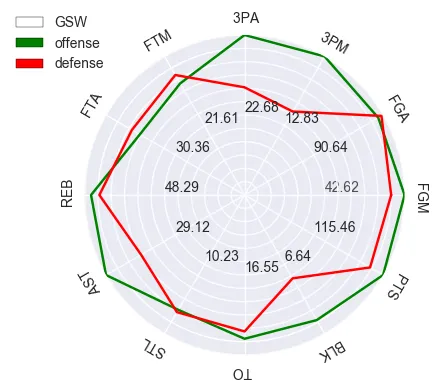
Understanding NBA Player Stats
NBA player statistics encompass a wide range of metrics that measure individual performance. Traditional statistics include points, rebounds, assists, steals, and blocks. However, modern basketball analysis goes far beyond these basic metrics, incorporating advanced analytics that provide deeper insights into player efficiency and impact.
Traditional Basketball Statistics
The foundation of player evaluation rests on traditional statistics that have been tracked since the NBA's inception. These metrics remain essential for understanding basic player performance and comparing players across different eras.
| Statistic | Abbreviation | Description |
|---|---|---|
| Points Per Game | PPG | Average points scored per game |
| Rebounds Per Game | RPG | Average rebounds grabbed per game |
| Assists Per Game | APG | Average assists provided per game |
| Steals Per Game | SPG | Average steals recorded per game |
| Blocks Per Game | BPG | Average blocks recorded per game |
| Field Goal Percentage | FG% | Percentage of field goals made |
| Three-Point Percentage | 3P% | Percentage of three-pointers made |
| Free Throw Percentage | FT% | Percentage of free throws made |
Advanced Basketball Analytics
Modern NBA analysis incorporates advanced metrics that provide nuanced understanding of player impact. These statistics account for factors like pace of play, team composition, and situational performance.
- Player Efficiency Rating (PER): Measures per-minute productivity, accounting for both positive and negative contributions
- True Shooting Percentage (TS%): Evaluates shooting efficiency including two-pointers, three-pointers, and free throws
- Usage Rate (USG%): Indicates the percentage of team plays a player uses while on the court
- Box Plus/Minus (BPM): Estimates point differential when a player is on the court
- Win Shares (WS): Estimates number of wins contributed by a player
- Value Over Replacement Player (VORP): Measures value compared to a replacement-level player
Statistical Leaders and Performance Tiers
NBA player statistics reveal clear performance tiers among professional basketball players. Elite performers consistently rank among league leaders in multiple statistical categories, while role players contribute in specialized areas. Understanding where players rank statistically helps contextualize their value to their teams.
Statistical leaders change throughout the season as players accumulate playing time and games. Monitoring these rankings provides insights into current performance trends and emerging stars. Players who lead in multiple categories often represent the most well-rounded and impactful performers in the league.
Using Player Stats for Analysis
Professional basketball analysis relies heavily on statistical evaluation. Coaches use player statistics to make lineup decisions and game strategy adjustments. Front offices analyze stats to evaluate trades and free agent signings. Fantasy basketball players use statistics to draft teams and make roster decisions. Sports bettors incorporate statistical analysis into their predictions.
Effective statistical analysis requires understanding context. A player's statistics must be evaluated relative to their team's pace, their role within the offense, the quality of their teammates, and the strength of their competition. Raw numbers alone don't tell the complete story of player performance.
Comparing Player Performance
NBA player stats enable direct comparison between players, both within the same season and across different eras. However, comparisons must account for era differences, rule changes, and playing styles. Modern three-point shooting is more prevalent than in earlier decades, affecting scoring statistics. Defensive rule changes have impacted how defense is played and measured.
Peer comparison is most meaningful when comparing players of similar positions and roles. A point guard's statistics should be compared to other point guards, while center statistics are best compared among centers. This position-specific analysis provides more accurate performance evaluation.
Statistical Categories and Specialization
Different players specialize in different statistical categories. Some players are elite scorers, others are exceptional playmakers, and some focus on defensive contributions. Understanding these specializations helps explain how diverse player types contribute to team success.
Scoring Specialists
Elite scorers consistently rank among league leaders in points per game. These players have diverse scoring arsenals, combining three-point shooting, mid-range skills, and finishing ability at the rim. Scoring specialists often have high usage rates, meaning they handle the ball frequently and take many shots.
Playmaking and Assists
Professional basketball requires excellent ball movement and player involvement. Playmakers who lead the league in assists create scoring opportunities for teammates. These players often have high basketball IQ and exceptional court vision. Assist leaders typically play point guard positions but can come from any position.
Defensive Impact
While offensive statistics are more readily available, defensive statistics also matter. Steals, blocks, and defensive rating measure defensive contribution. Players who lead in these categories provide crucial defensive value, often guarding opposing team's best players and protecting the rim.
Tracking NBA Player Stats Throughout the Season
NBA player statistics evolve throughout the season as players accumulate games and playing time. Early season stats may not reflect true performance due to small sample sizes. Mid-season statistics provide more reliable performance indicators. End-of-season statistics determine final rankings and award voting.
Monitoring player statistics throughout the season reveals performance trends. Players improving their statistics may be emerging as stars, while declining statistics may indicate injury or role changes. Sudden statistical changes often correlate with trades, injuries, or coaching adjustments.
Conclusion
NBA player stats form the foundation of professional basketball analysis. From traditional metrics like points and rebounds to advanced analytics like PER and VORP, statistics provide objective measures of player performance. Whether you're evaluating players for fantasy basketball, making betting decisions, or simply trying to understand the game better, player statistics are essential tools for informed analysis.
Continue exploring our site for more professional basketball coverage. Check out player comparisons, current standings, and game predictions.